

Thai Restaurants for sale in Australia
- American Restaurants4
- Burger Vans1
- Cafes88
- Cake Shops16
- Catering Companies3
- Cheese Shops1
- Chicken Shops4
- Chinese Restaurants11
- Chinese Takeaways5
- Coffee Roasting Businesses1
- Coffee Shops21
- Cookery Schools1
- Creperie1
- Fast Food Restaurants7
- Fish & Chip Shops28
- Ice Cream Vans3
- Indian Restaurants5
- Indian Takeaways1
- Italian Restaurants7
- Kebab Shops3
- Mexican Restaurants3
- Mobile Catering Businesses4
- Other Food Service Businesses1
- Outside Catering Businesses4
- Patisseries8
- Pizza Restaurants8
- Pizza Takeaways and Delivery Shops3
- Restaurants26
- Sandwich Shops7
- Seafood Restaurants5
- Shisha Bars1
- Smoothie Bars3
- Sushi Restaurants2
- Takeaways Businesses (Other)12
- Tea Room Businesses3
- Truck Stops3
- Turkish Restaurants1
 Thriving Thai Cuisine Business in Tourist HotspotTorquay VICView moreAsking price:AUD $98 000
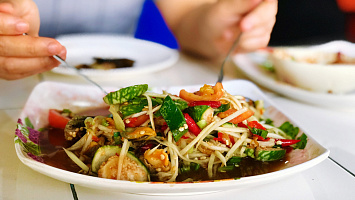 Urgent !!Thai Restaurant for Sale in Prime George Street Haymarket LocationHaymarket NSWView moreAsking price:AUD $210 000
 Thai Restaurant - Aussie owner - $250k ProfitGold Coast Region, QLDView moreAsking price:AUD $295 000
 Profitable Authentic Thai Restaurant - Gold CoastGold Coast Region, QLDView moreAsking price:AUD $165 000
 Brilliant Thai restaurant for sale in Mandurah - Price reducedPerth WAView moreAsking price:AUD $120 000
 Undermanaged Profitable Restaurant or Take away in CharlestownNewcastle & Maitland Hunter Region, NSWView moreAsking price:AUD $149 000
 Established Thai Restaurant High Exposure LocationSydney Region, NSWView moreAsking price:AUD $299 000
 Prime Thai Restaurant & Bar Opportunity in SydneySydney NSWView moreAsking price:AUD $85 000
Business for sale by regions of Australia


FAQ
- What proof shows rice and curry batches are cooled safely?Match batch volumes to shallow containers, refrigerator capacity, probe calibration and timestamped logs. Records should show food reaching 21°C within two hours and 5°C within a further four hours, or document a validated alternative that achieves equivalent safety.
- Which allergens require special attention on a Thai menu?Review recipes, supplier labels and staff knowledge for peanuts, tree nuts, crustacea, molluscs, fish, soy, sesame, wheat, gluten and egg. Check sauces, curry pastes and garnishes, where substitutions can change allergen information without an obvious menu change.
- How should imported sauces and ingredients be audited?Trace curry pastes, sauces, noodles, herbs and packaged foods to Australian suppliers or compliant imports. Review labels, lot details, recalls, expiry dates and substitutions, and verify origin or authenticity claims used in menus and advertising.
- What should I inspect in a high-output Thai kitchen?Check wok burners, gas, extraction, make-up air, fire systems, grease traps, refrigeration and electrical capacity. Compare the installed layout with approvals and lease obligations, then price deep cleaning, heat damage, servicing and replacement of heavily used equipment.
- How should dine-in, banquet and delivery sales be compared?Reconcile bookings, till sales, platforms, deposits, promotions and refunds by channel and daypart. Calculate contribution after extra chefs, floor staff, packaging and commissions, and identify banquet or delivery volume that appears strong but earns weak margins.
- Which adjustments reveal a Thai restaurant's underlying profit?Rebuild recipe yields for proteins, rice, noodles, curries and beverages, then compare purchases with sales and waste. Deduct owner work, award penalties, platform fees, rent, utilities, discounts, ingredient inflation and realistic wok, exhaust or refrigeration renewal.