

Indian Restaurants for sale in Australia
- American Restaurants4
- Burger Vans1
- Cafes88
- Cake Shops16
- Catering Companies3
- Cheese Shops1
- Chicken Shops4
- Chinese Restaurants11
- Chinese Takeaways5
- Coffee Roasting Businesses1
- Coffee Shops21
- Cookery Schools1
- Creperie1
- Fast Food Restaurants7
- Fish & Chip Shops28
- Ice Cream Vans3
- Indian Takeaways1
- Italian Restaurants7
- Kebab Shops3
- Mexican Restaurants3
- Mobile Catering Businesses4
- Other Food Service Businesses1
- Outside Catering Businesses4
- Patisseries8
- Pizza Restaurants8
- Pizza Takeaways and Delivery Shops3
- Restaurants26
- Sandwich Shops7
- Seafood Restaurants5
- Shisha Bars1
- Smoothie Bars3
- Sushi Restaurants2
- Takeaways Businesses (Other)12
- Tea Room Businesses3
- Thai Restaurants8
- Truck Stops3
- Turkish Restaurants1
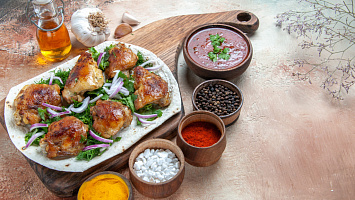 LEASEHOLD - Indian Tandoori Restaurant, Albury NSW - 1P0580Albury NSWView moreAsking price:AUD $380 000
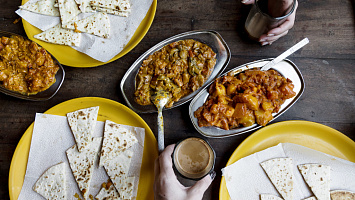 Well-Established Pakistani and Indian Restaurant in Auburn, NSWAuburn NSWView moreAsking price:AUD $270 000
 LEASEHOLDS - 2 x Indian Tandoori Restaurants - NSW & VIC - Turnkey Business Opportunities - 1P0580Albury NSWView moreAsking price:AUD $595 000
 Premium Restaurant Opportunity - Established, Profitable, Turnkey VenueNorth Adelaide SAView moreAsking price:AUD $150 000
 Profitable Indian Restaurant on Sydney's Lower North ShoreNorth Sydney NSWView moreAsking price:AUD $210 000
Business for sale by regions of Australia

FAQ
- How should cooked rice and curry cooling be assessed?Inspect batch sizes, shallow containers, blast chilling, probe logs and reheating practices. Potentially hazardous food should generally cool from 60°C to 21°C within two hours and then to 5°C within four more hours unless safety is demonstrated.
- What should I inspect around the tandoor and extraction system?Check gas or electrical approval, ventilation, make-up air, fire protection, heat damage, cleaning and servicing. Compare the installed tandoor, burners and fryers with approved plans and lease obligations, then budget for upgrades or removal.
- Which allergen controls matter most for an Indian menu?Review recipes, supplier labels and cross-contact controls for milk, nuts, wheat, gluten, sesame, soy and other required allergens. Confirm staff can answer accurately where sauces, marinades, breads, desserts and garnishes change between cooks or suppliers.
- How should imported spices and packaged foods be reviewed?Trace products to Australian suppliers or compliant imports and inspect labels, lot codes, expiry dates, recalls and substitutions. Any origin or authenticity claims must be accurate and supported, including claims implied by names, flags or menu descriptions.
- How should banquet bookings and liquor revenue be checked?Reconcile deposits, minimum spends, menus, guest numbers and refunds for future functions. Verify liquor licence conditions, approved capacity and trading hours, then test whether banquet margins include extra chefs, waitstaff, wastage and entertainment costs.
- How can I verify an Indian restaurant's sustainable profit?Separate dine-in, banquet, takeaway and delivery performance by daypart. Rebuild recipe yields for proteins, rice, sauces and breads, then adjust for owner labour, award penalties, platform fees, rent, utilities, ingredient inflation and tandoor replacement.