

Sushi Restaurants for sale in Australia
- American Restaurants4
- Burger Vans1
- Cafes88
- Cake Shops16
- Catering Companies3
- Cheese Shops1
- Chicken Shops4
- Chinese Restaurants11
- Chinese Takeaways5
- Coffee Roasting Businesses1
- Coffee Shops21
- Cookery Schools1
- Creperie1
- Fast Food Restaurants7
- Fish & Chip Shops28
- Ice Cream Vans3
- Indian Restaurants5
- Indian Takeaways1
- Italian Restaurants7
- Kebab Shops3
- Mexican Restaurants3
- Mobile Catering Businesses4
- Other Food Service Businesses1
- Outside Catering Businesses4
- Patisseries8
- Pizza Restaurants8
- Pizza Takeaways and Delivery Shops3
- Restaurants26
- Sandwich Shops7
- Seafood Restaurants5
- Shisha Bars1
- Smoothie Bars3
- Takeaways Businesses (Other)12
- Tea Room Businesses3
- Thai Restaurants8
- Truck Stops3
- Turkish Restaurants1
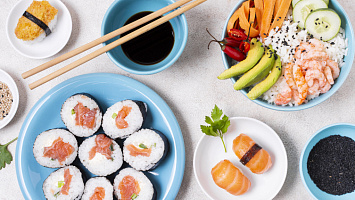 High-Growth Miso Hungry Franchise For Sale - QLD - Full Franchisor & Marketing Support - Complete Training - Proven Model - Scalable - Investment: $30Brisbane Region, QLDView moreAsking price:AUD $300 000
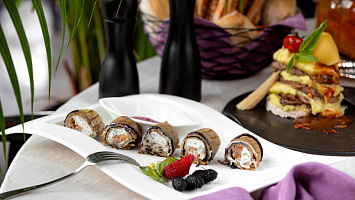 Profitable Japanese Restaurant for Sale - Prime Surry Hills Location666 Crown Street, Surry Hills, NSWView moreAsking price:AUD $390 000
Business for sale by regions of Australia

FAQ
- How should raw fish sourcing and parasite controls be checked?Require reputable suppliers and evidence that fish intended for raw service is suitable for sashimi. Review freezing history where parasite control is needed, delivery temperatures and shelf life, noting that freezing parasites does not remove harmful bacteria.
- What sushi-rice records should I review?Inspect cooking, acidification, mixing, pH testing, time control and discard records. Australian guidance treats sushi as potentially hazardous and recommends acidifying rice to pH 4.6 or lower while protecting fillings and finished products from contamination.
- What evidence supports seafood origin statements on the menu?Hospitality businesses must identify seafood for immediate consumption as Australian, imported or mixed before ordering. Check menus, boards and apps against supplier evidence, and confirm origin records are retained for three months after each seafood item was last offered.
- Which sushi-menu allergens need close control?Review recipes and supplier labels for fish, crustacea, molluscs, soy, sesame, wheat, gluten, egg and milk. Test separation, utensils and staff responses, including sauces, imitation seafood and garnishes whose formulations may change between suppliers.
- What equipment and layout risks are specific to sushi?Inspect refrigerated displays, cool rooms, freezers, rice cookers, pH meters, preparation benches and handwashing facilities. Confirm capacity during busy service, calibration and cleaning, and identify cross-contamination risks between raw seafood, cooked fillings and ready-to-eat products.
- How can I test a sushi restaurant's recurring earnings?Separate dine-in, takeaway, delivery and beverage contribution. Rebuild food cost from fish species, edible yield, rice, sauces and packaging, then adjust for spoilage, owner labour, award penalties, commissions, rent, utilities and refrigeration or display replacement.