

DIY and Hardware Stores for sale in Australia
- Aquatic Centres1
- Bakeries28
- Bathroom & Kitchen Retail Business1
- Beach Shops1
- Bicycle Shops1
- Book Shops1
- Bridal Wear Shops1
- Butcher Shops24
- Camping Shops1
- Caravan Sales Businesses1
- Carpet Shops1
- Childrens Clothes Shops2
- Childrenswear Retail Businesses1
- Clothes Shops5
- Computer Shops1
- Convenience Stores29
- Cosmetic Shops4
- Curtain and Blinds Retail Businesses5
- Delicatessen Businesses1
- Domestic Appliance Businesses2
- Dress Hire Businesses1
- Electrical Retail Businesses1
- Fishing Tackle Shops1
- Fishmonger Businesses4
- Flooring Businesses2
- Florists3
- Frozen Food Shops1
- Fruit & Veg Shops8
- Furniture Shops2
- General Stores6
- Gift Shops8
- Golf Shops1
- Greengrocer Businesses2
- Health Food Shops10
- Heating and Plumbing Shops1
- Home Brew Shops1
- Homeware Stores2
- Household Goods Shops1
- Ice Cream Parlour Businesses6
- Jeweller Businesses2
- Juice Bars3
- Kitchen Retail Businesses1
- Ladieswear Retail Businesses1
- Market Stalls1
- Mens Formal Hire Businesses1
- Menswear Retail Businesses1
- Mobile Phone Shops2
- Mobile Retail Businesses1
- Mobility Aid Shops1
- Motorcycle Dealerships1
- Newsagents12
- Off Licences4
- Office Supplier Businesses2
- Other Retail Businesses2
- Pet Shops1
- Picture Framing Shops1
- Post Offices22
- Precision Tool Businesses1
- Retail Franchises1
- Second Hand Shops1
- Shoe Shops1
- Ski Shops1
- Soft Furnishing Shops2
- Sports Shops1
- Supermarkets7
- Swimming Pool and Hot Tubs Spas3
- Tile Shops1
- Tobacconist Businesses2
- Toy Shops3
- Uniform Shops9
- Video Game Stores1
- Wholesaler Businesses4
- Window and Conservatory Retail Businesses1
- Vehicle Accessory Shops5
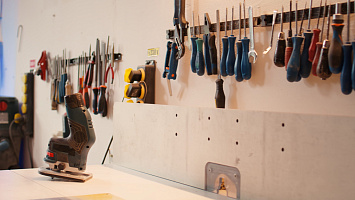 Established Retailer with High-Growth E-Commerce PlatformBrisbane Region, QLDView moreAsking price:AUD $2 900 000
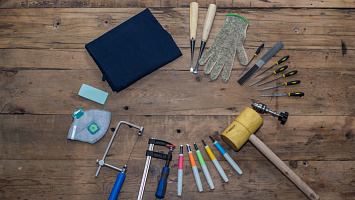 Building Supplies with freehold property - NewcastleNewcastle NSWView moreAsking price:AUD $7 480 000
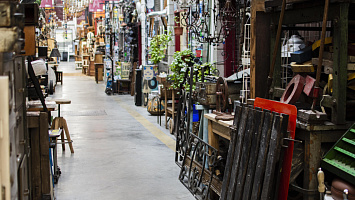 Building & Trade Supplies - Newcastle AreaNewcastle NSWView moreAsking price:AUD $3 500 000
 Walker's Mitre 10 - PERTH (Freehold Property)Perth WAView moreAsking price:AUD $535 000
 Property & Mitre 10 Hardware Business - Shark BayPerth WAView moreAsking price:AUD $1 430 000
 Building Supplies - Greater Newcastle AreaNewcastle NSWView moreAsking price:AUD $3 950 000
 Freehold Building Supplies - Newcastle/Hunter areaNewcastle NSWView moreAsking price:AUD $7 930 000
 Newcastle Area Hardware and Building SuppliesNewcastle NSWView moreAsking price:AUD $750 000
 Award-Winning Hardware Business with Exclusive BrandsSydney Region, NSWView moreAsking price:AUD $250 000
Business for sale by regions of Australia

FAQ
- Are garden chemicals and pesticides lawful to supply in the existing range?Identify which products require APVMA registration or an applicable permit, then match product names, registration details and approved labels. Check recalls and supplier records, including natural or organic claims, because those descriptions do not automatically remove agricultural-chemical regulatory requirements.
- What electrical-safety evidence should I check for tools and accessories?Classify the store's electrical range under the relevant jurisdiction's rules, checking registered suppliers, model registrations where required and compliance markings. Investigate imported chargers, lighting and power products, and do not assume that stock received through a wholesaler is necessarily compliant.
- Do button batteries and products containing them meet the applicable standards?Review replacement battery packaging, warnings and technical evidence for relevant products and accessories, checking any genuine exemptions. The Australian requirements cover batteries and goods containing them, so supplier assurances should be matched to the specific models offered for sale.
- Could chemical storage or handling require changes to the premises?Inspect paints, solvents, pool chemicals, aerosols and other hazardous stock for suitable storage, separation, spill controls and emergency information. Check requirements and any retail-specific exceptions with the WHS regulator, then cost necessary improvements before accepting the current layout and inventory levels.
- How should trade accounts and supplier rebates be reflected in the valuation?Analyse customer balances, credit terms, bad debts, discounts and delivery costs alongside supplier incentives and purchase targets. Confirm continuing agreements and calculate contribution after collections risk, then distinguish profitable repeat trade from turnover supported by excessive credit or unsustainable rebates.
- What makes hardware stock saleable rather than merely extensive?Count stock by SKU, age, condition and recent demand, checking incomplete kits, obsolete fittings, damaged packaging and supplier returns. Include shrinkage and replenishment costs, then assess achievable margins and cash tied up in slow stock rather than relying on shelf volume.