

Health Food Shops for sale in Australia
- Aquatic Centres1
- Bakeries28
- Bathroom & Kitchen Retail Business1
- Beach Shops1
- Bicycle Shops1
- Book Shops1
- Bridal Wear Shops1
- Butcher Shops24
- Camping Shops1
- Caravan Sales Businesses1
- Carpet Shops1
- Childrens Clothes Shops2
- Childrenswear Retail Businesses1
- Clothes Shops5
- Computer Shops1
- Convenience Stores29
- Cosmetic Shops4
- Curtain and Blinds Retail Businesses5
- Delicatessen Businesses1
- DIY and Hardware Stores9
- Domestic Appliance Businesses2
- Dress Hire Businesses1
- Electrical Retail Businesses1
- Fishing Tackle Shops1
- Fishmonger Businesses4
- Flooring Businesses2
- Florists3
- Frozen Food Shops1
- Fruit & Veg Shops8
- Furniture Shops2
- General Stores6
- Gift Shops8
- Golf Shops1
- Greengrocer Businesses2
- Heating and Plumbing Shops1
- Home Brew Shops1
- Homeware Stores2
- Household Goods Shops1
- Ice Cream Parlour Businesses6
- Jeweller Businesses2
- Juice Bars3
- Kitchen Retail Businesses1
- Ladieswear Retail Businesses1
- Market Stalls1
- Mens Formal Hire Businesses1
- Menswear Retail Businesses1
- Mobile Phone Shops2
- Mobile Retail Businesses1
- Mobility Aid Shops1
- Motorcycle Dealerships1
- Newsagents12
- Off Licences4
- Office Supplier Businesses2
- Other Retail Businesses2
- Pet Shops1
- Picture Framing Shops1
- Post Offices22
- Precision Tool Businesses1
- Retail Franchises1
- Second Hand Shops1
- Shoe Shops1
- Ski Shops1
- Soft Furnishing Shops2
- Sports Shops1
- Supermarkets7
- Swimming Pool and Hot Tubs Spas3
- Tile Shops1
- Tobacconist Businesses2
- Toy Shops3
- Uniform Shops9
- Video Game Stores1
- Wholesaler Businesses4
- Window and Conservatory Retail Businesses1
- Vehicle Accessory Shops5
 Thriving Health Food Store in Central GoulburnGoulburn NSWView moreAsking price:AUD $60 000
 Supplements and Health Foods Store in VICToorak VICView moreAsking price:AUD $360 000
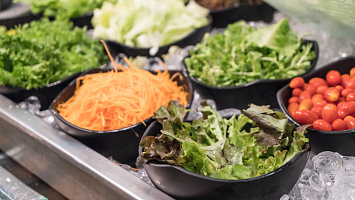 THAT SALAD SHOP FOR SALECairns & Far North Region, QLDView moreAsking price:AUD $170 000
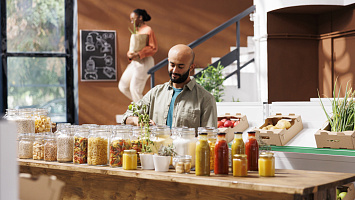 Profitable Health Food Store Located in the Riverina RegionCanberra ACTView moreAsking price:AUD $195 000
 Growing Health Food Business with Wholesale NetworkGold Coast Region, QLDView moreAsking price:AUD $80 000
 Own a Piece of Australia’s Healthy Eating Revolution - Perth, WAPerth WAView moreAsking price:AUD $150 000
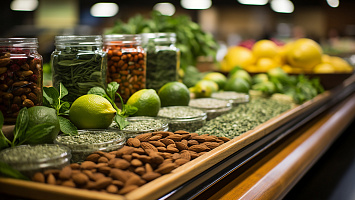 FAST MOVING SPECIALTY FOODS - EVERY PREMISE HAS THIS PRODUCTGold Coast Region, QLDView moreAsking price:AUD $350 000
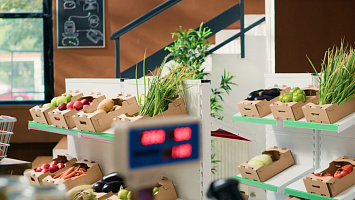 High quality retail organics supplies - busy locationPerth WAView moreAsking price:AUD $85 000
 Own a Piece of Australia’s Healthy Eating Revolution - Brisbane, QLDBrisbane QLDView moreAsking price:AUD $150 000
 Sustainable Bulk Food Store - Build Your Own Eco Retail BrandNorth Melbourne VICView moreAsking price:AUD $70 000
Business for sale by regions of Australia


FAQ
- Are supplements and health foods being sold under the correct regulatory framework?Review ingredients, presentation, labelling and claims to distinguish foods from therapeutic goods. Check required medicine registrations or listings where applicable, and identify any direct-import responsibilities before accepting the seller's assumption that every supplement can be treated as an ordinary food.
- Can the health claims used on shelves and online be substantiated?Audit product descriptions, social posts and staff sales scripts against the rules applying to each product. Food nutrition and health claims have specific conditions; investigate unsupported treatment promises and budget for correcting inherited promotional material before continuing to use it.
- How should I assess the value of slow-selling supplements and specialist foods?Count stock by batch, expiry date, storage history and realistic customer demand. Separate damaged packaging and discontinued formulations, then estimate markdowns and supplier returns so that niche products with impressive shelf prices do not inflate the settlement stock figure.
- What risks come with selling loose nuts, grains and powders?Inspect supplier specifications, allergen information, shared scoops, container cleaning and procedures for answering customer enquiries. Check required information for unpackaged foods, then test whether staff can prevent cross-contact and accurately identify ingredients when customers purchase refills or mixed products.
- Will customers keep returning if the seller no longer provides personal product advice?Measure repeat purchasing by customer group and observe consultations, special orders and staff knowledge. Identify qualifications or reputation attached to the seller, then cost suitable replacement expertise and a handover rather than valuing personal relationships as guaranteed transferable shop goodwill.
- Do supplier minimum orders and range commitments tie up too much working capital?Map reorder quantities, delivery charges, credit terms and return windows against sales velocity for specialist lines. Model the cash needed to keep essential products available while reducing weak sellers, including any discounts or rebates lost under a smaller purchasing programme.