

Glass Manufacturing and Glassblower Businesses for sale in Australia
- Caravan Manufacturing Businesses1
- Computers / Electronics Manufacturing Businesses1
- Fabrication Businesses2
- Food & Drink Manufacturing Companies9
- Furniture & Wood Businesses4
- Home & Garden Manufacturing Businesses3
- Metal Manufacturing Businesses7
- Other Manufacturing Businesses2
- Plastics & Chemical Manufacturing Businesses1
- Sawmill Businesses4
- Steel Fabrication Businesses7
- Textile Manufacturing Businesses1
- Automotive Manufacturing Business3
- Embroidery Businesses2
- Fire Extinguisher Businesses1
- Garden Machinery Businesses1
- Glazier Businesses1
- Insect Screen Businesses1
- Joiners & Joinery Businesses6
- Sign Maker Businesses6
- Stonemasons Businesses4
- Powder Coating Businesses3
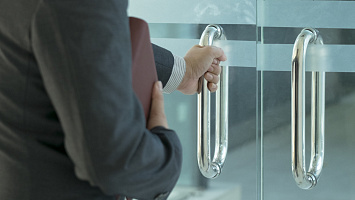 Bespoke Glass Door Manufacturer with National ReachSydney Region, NSWView moreAsking price:AUD $1 999 000
 Profitable Glass Retailing & Installation BusinessCanberra ACTView moreAsking price:AUD $95 000
 Glass and Aluminium Replacements - InstallsGold Coast Region, QLDView moreAsking price:AUD $3 500 000
 Niche, Light Manufacture, National Wholesaler/Distributors of Fibreglass Product #406Brisbane QLDView moreAsking price:AUD $3 790 000
Business for sale by regions of Australia


FAQ
- What glass products and processes are actually approved?Map furnace forming, toughening, laminating, cutting, decorative work and installation separately. Check planning use, environment licences, gas systems and product certifications for each activity, because a workshop approved for craft glass may not support architectural production.
- Can product certificates be traced to each glass batch?Sample orders from raw glass or batch record through cutting, heat treatment, inspection, marking and customer certificate. Verify test evidence, calibrated equipment and outsourced processing, and identify products sold for regulated building uses without defensible conformity records.
- Which worker exposures require specialist review?Assess silica-containing materials, metal oxides, coatings, fumes, heat, noise and manual handling. Inspect extraction, respiratory controls, air monitoring, health surveillance and incident records, and confirm hazardous substances are labelled, stored and supported by current safety data sheets.
- What environmental reporting may apply to a glass facility?Check state environment-licence thresholds, emissions, trade waste, furnace fuel and hazardous waste. Determine whether substance use or energy consumption triggers National Pollutant Inventory reporting, and review past submissions, complaints, notices and pollution-response obligations.
- How should furnaces and specialised equipment be assessed?Inspect age, ownership, PPSR interests, refractory condition, burners, controls, annealing equipment, kilns, lifting gear and spare parts. Review shutdown history and energy contracts, then cost relining, calibration, compliance work and production interruption during major maintenance.
- What adjustments reveal sustainable glass manufacturing earnings?Calculate contribution by product, process and customer after raw materials, energy, direct labour, breakage, cullet credits and outsourced treatment. Deduct market management, testing and maintenance, then model furnace downtime, energy price changes, rejects and relining capital.