

Food & Drink Manufacturing Companies for sale in Australia
- Caravan Manufacturing Businesses1
- Computers / Electronics Manufacturing Businesses1
- Fabrication Businesses2
- Furniture & Wood Businesses4
- Glass Manufacturing and Glassblower Businesses4
- Home & Garden Manufacturing Businesses3
- Metal Manufacturing Businesses7
- Other Manufacturing Businesses2
- Plastics & Chemical Manufacturing Businesses1
- Sawmill Businesses4
- Steel Fabrication Businesses7
- Textile Manufacturing Businesses1
- Automotive Manufacturing Business3
- Embroidery Businesses2
- Fire Extinguisher Businesses1
- Garden Machinery Businesses1
- Glazier Businesses1
- Insect Screen Businesses1
- Joiners & Joinery Businesses6
- Sign Maker Businesses6
- Stonemasons Businesses4
- Powder Coating Businesses3
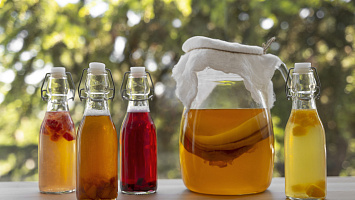 Successful Kombucha Production & Distribution Business in Mullumbimby, NSWMullumbimby NSWView moreAsking price:AUD $200 000
 25-Year Chilli Sauce Brand with Flexible Hours and Online PotentialPine Mountain QLDView moreAsking price:AUD $53 000
 High-Profit Boutique Protein & Supplement Manufacturing Business | $250,919 profit to working ownerSunshine Coast Region, QLDView moreAsking price:AUD $895 000
 Bread Manufacturing /Wholesale Opportunity on the Gold Coast $277,583 profit to working ownerGold Coast Region, QLDView moreAsking price:AUD $895 000
 Well-established FMCG Business with Excellent Returns - Wholesale and Retail - WAPerth WAView moreAsking price:AUD $3 500 000
 E-Commerce Beverage Production Business in the Idyllic Tea Gardens/Hawks Nest RegionNewcastle & Maitland Hunter Region, NSWView moreAsking price:AUD $250 000
 Premium Craft Spirits Brand & Production Assets - For Sale!Melbourne VICView moreAsking price:AUD $500 000
 Complete Cheese manufacturing plant. Includes Freehold.Melbourne Region, VICView moreAsking price:AUD $1 988 000
 Licensed Dairy Manufacturing Facility Turnkey OpportunityMelbourne Region, VICView moreAsking price:AUD $280 000
Business for sale by regions of Australia


FAQ
- Which food registrations and licences must change after purchase?List every premises, product category and activity, then confirm notification, registration or licensing with the relevant state, territory or council regulator. Changes to business name, location or activities must be notified, and alcohol production may require a separate excise manufacturer licence.
- Does the factory have a workable traceability and recall system?Trace sample batches one step back to ingredients and packaging and forward to every customer. Food manufacturers must maintain a written recall plan, so inspect mock recalls, contact lists, batch coding and reconciliation of distributed, returned and unaccounted product.
- Are allergen controls and labels current?Review recipes, processing aids, changeovers, cleaning validation, supplier declarations and label approvals. Check required allergen names, bold ingredient declarations and the adjacent contains statement, and investigate complaints or recalls caused by undeclared allergens or cross-contact.
- Are country-of-origin and marketing claims defensible?Test labels and websites against ingredient sourcing, manufacturing steps and the Country of Origin Food Labelling Information Standard. Confirm claims such as made, produced, grown, natural or local have records and do not create a misleading overall impression.
- How should ingredients, packaging and finished goods be valued?Count inventory by batch, expiry, allergen status and storage condition. Compare shelf life with sales velocity and customer specifications, then write down obsolete packaging, short-dated goods, quarantined batches, discontinued recipes and stock subject to supplier ownership or PPSR interests.
- Which adjustments reveal sustainable manufacturing earnings?Rebuild yield and margin by product, customer and production run after ingredients, packaging, labour, utilities, waste, freight and rebates. Deduct compliant staffing, testing and maintenance, then stress-test retailer concentration, commodity prices, recalls and lost private-label contracts.