

Petrol Stations for sale in Australia
- Auto Repair Business8
- Car Hire Businesses1
- Car Wash Businesses9
- Commercial Vehicle Hire Businesses1
- MOT Garages5
- Taxi Businesses2
- Traffic Management Businesses2
- Tyre Businesses6
- Auto Glass Business3
- Car Dealer Businesses1
- Automotive Business9
- Car Detailing Businesses6
- Auto Electrical Business1
- Car Tinting Businesses1
- Transport Businesses3
- Trucking Businesses1
- Towing Businesses2
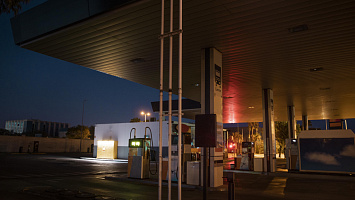 Service Station with Convenience Store in Port StephensNelson Bay NSWView moreAsking price:AUD $899 000
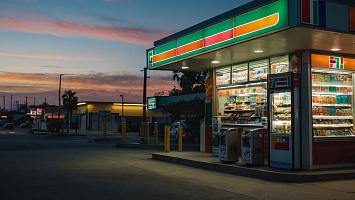 Independent Service Station with Head Lease in New CastleNewcastle NSWView moreAsking price:AUD $540 000
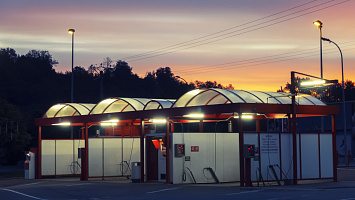 Service Station with the Property in Central Coast NSWNewcastle NSWView moreAsking price:AUD $3 390 000
Business for sale by regions of Australia

FAQ
- Who carries responsibility for the underground fuel system after purchase?Identify who will have management and control of tanks, lines and monitoring equipment under local law. Review contamination notices, environmental reports, lease allocation and indemnities, because operational control can bring duties to prevent, report and repair petroleum leaks.
- Does the site have a current fuel-system operation plan?Check tank drawings, loss monitoring, groundwater wells, maintenance, incident procedures and 24-hour contacts against the actual underground system. Investigate unexplained stock variance and alarms, then cost testing or remediation where records do not demonstrate early leak detection.
- Are fuel quality, labelling and delivery records complete?Sample supplier certificates, delivery dockets, tank records and dispenser labels for every fuel grade. Australian fuel suppliers must meet national quality and information standards, so investigate contamination complaints, mixed deliveries and missing records before accepting warranty exposure.
- Can the dispensers prove accurate trade measurement?Verify each dispenser type is approved, calibrated, sealed and connected to a compliant point-of-sale system. Review National Measurement Institute inspections and repair records, because the operator remains responsible for correct litres, unit prices and total prices at every pump.
- How secure are the fuel supply and branding arrangements?Review exclusivity, minimum volumes, rebates, credit terms, freight, price formulas, branding obligations and termination rights. Confirm assignment and refurbishment requirements, then model margins if the current supplier, franchise identity or favourable wholesale terms do not continue.
- Which figures reveal the station's sustainable return?Separate fuel margin by grade from shop, food, parcel, ATM, car-wash and tenant income. Reconcile litres to purchases and tank movement, then deduct card fees, labour, utilities, shrinkage, compliance, maintenance, franchise charges and environmental risk costs.